Retina & Vitreous Diseases
Retina and vitreous diseases, also known as vitreoretinal disorders, are among the leading causes of visual impairment and blindness across the human lifespan.
These conditions are often associated with systemic diseases such as diabetes, hypertension, and certain blood disorders, which may compromise blood flow to the retina and lead to ischemic damage. Early detection and proper management play a crucial role in preserving vision.
Why Are Retina & Vitreous Conditions Serious?
Understanding the Retina & Vitreous
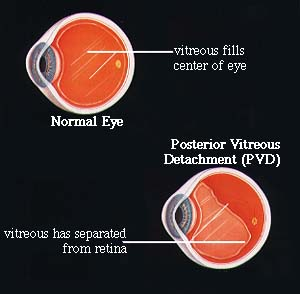
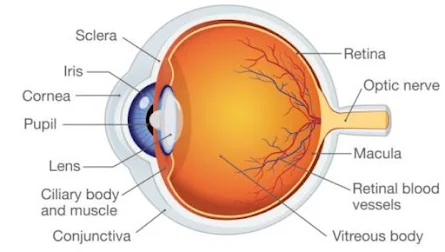
The vitreous is a clear, jelly-like substance that fills the eye and helps maintain its shape, supporting the delicate inner structures.
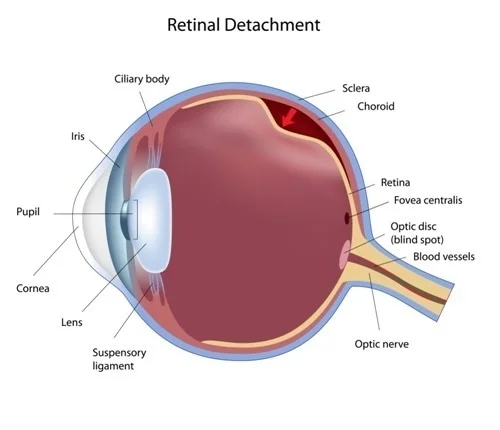
The retina is the light-sensitive layer at the back of the eye. Within the retina lies the macula, and at its center is the fovea, which is responsible for sharp central vision and fine detail.
Light passes through the vitreous and reaches the retina, where visual signals are generated and sent to the brain. Any abnormal interaction between the vitreous and retinal surface may lead to various vitreoretinal complications.
Age-Related Changes & Complications
As part of the natural aging process, the vitreous gel may shrink and become more liquid, no longer filling the eye completely.
This change can place traction on the retina, potentially leading to:
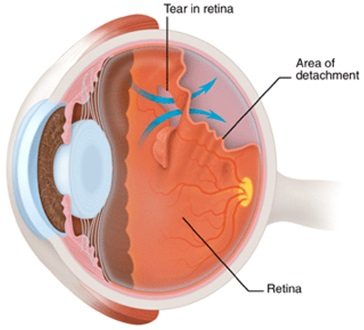
- Retinal tears
- Vitreous hemorrhage
- Retinal detachment
These conditions may become more complex if abnormal blood vessels form on the retinal surface, particularly in conditions such as diabetic or hypertensive retinopathy.
Symptoms of Retina & Vitreous Diseases
Symptoms may vary depending on the underlying condition. Seek prompt eye assessment if you experience:
- Blurred or distorted vision
- Flashes of light
- A dark shadow or grey curtain in the field of vision
- Sudden increase in eye floaters
Macular Disorders
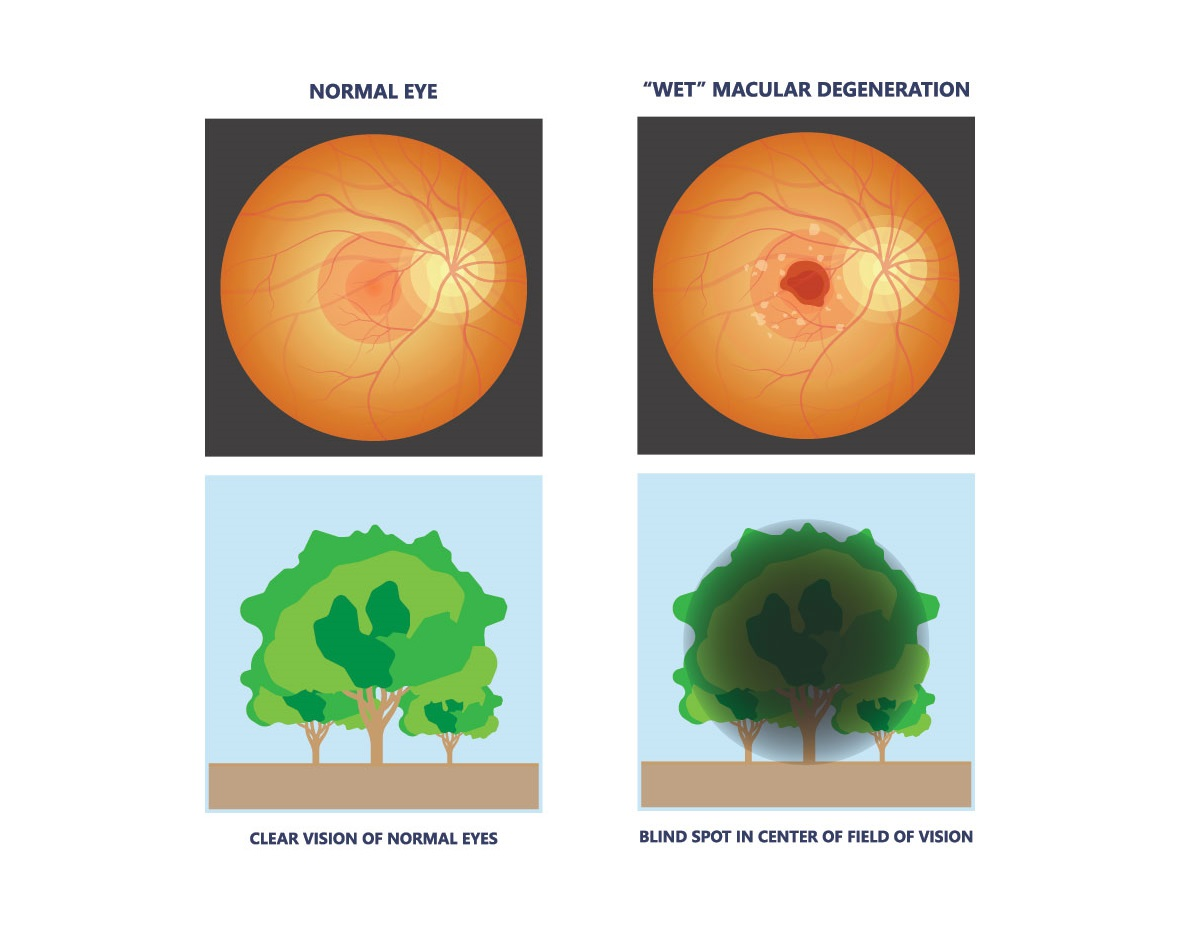
Diseases affecting the macula are a significant cause of visual impairment and may result in loss of detailed central vision.
Visible retinal damage may be detected during eye examination in conditions such as:
- Age-related macular degeneration (AMD)
- Central serous choroidopathy (CSC)
- Cystoid macular edema (CME)
- Toxic maculopathies
- Hereditary macular dystrophies
Early identification allows appropriate monitoring and management to reduce the risk of further vision loss.