
Uveitis
Uveitis
Uveitis is a form of eye inflammation that affects the uvea, the middle layer of eye tissue.
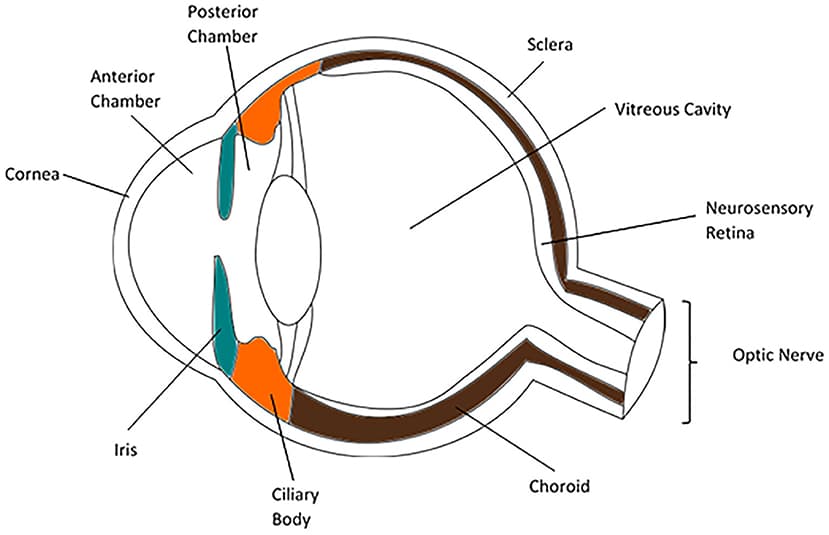
The uvea consists of the iris, ciliary body, and choroid, which play important roles in nourishing the eye and controlling light entry.
Inflammation of these structures can disrupt normal eye function and may lead to serious visual complications if not managed promptly.
Why Is Uveitis a Concern?
Inflammation Inside the Eye
Affects important internal eye structures such as the uvea, potentially disrupting normal eye function and vision
Can Progress Quickly
Symptoms may appear suddenly and worsen rapidly, requiring prompt diagnosis and treatment to prevent complications
Affects All Age Groups
May occur in both adults and children, and can be linked to underlying infections or autoimmune conditions
Vision-Threatening Condition
Untreated uveitis may cause permanent vision damage, leading to complications such as glaucoma, cataract, or retinal issues
Causes of Uveitis
Uveitis may develop due to a variety of underlying causes. In some cases, the exact cause cannot be identified.
Possible causes include:
- Infections
- Eye injury or trauma
- Autoimmune or systemic inflammatory diseases
- Herpes infections
- Shingles
- Lyme disease
- Unknown or idiopathic causes
Symptoms of Uveitis
Symptoms of uveitis can develop suddenly and may worsen quickly, although some types progress more slowly.
Common symptoms include:
- Red eyes
- Eye pain
- Sensitivity to light (photophobia)
- Blurred vision
Symptoms often improve with appropriate treatment, but uveitis can recur and may require ongoing monitoring.
Course & Progression
Some forms of uveitis begin suddenly and resolve with treatment, while others may develop gradually and persist over longer periods.
Uveitis may affect one eye or both eyes. Because inflammation can recur, long-term follow-up is often important to monitor eye health and visual function.
Importance of Early Treatment
If left untreated, uveitis can cause irreversible eye damage and may lead to permanent vision loss.
With prompt diagnosis and appropriate treatment, inflammation can usually be controlled, reducing the risk of long-term complications. Early intervention and close collaboration with eye doctors are essential for achieving the best possible visual outcome.