Kid’s Eye Examination
Paediatric eye examinations play an important role in ensuring healthy vision development during childhood.
Early eye checks help detect potential vision problems that may affect learning, daily activities, and overall development.
Our comprehensive kid’s eye examination is designed to be age-appropriate, gentle, and child-friendly, ensuring accurate assessment while keeping your child comfortable throughout the visit.
Why Are Paediatric Eye Tests Important?
Vision Test
Visual acuity testing is performed according to your child’s age and ability to interact during the examination.
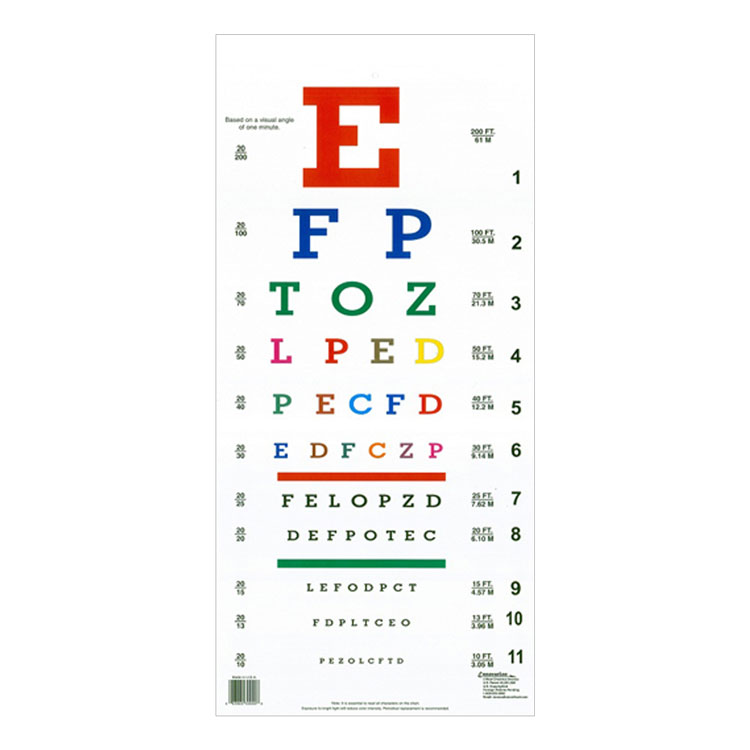
From 5 years and older:
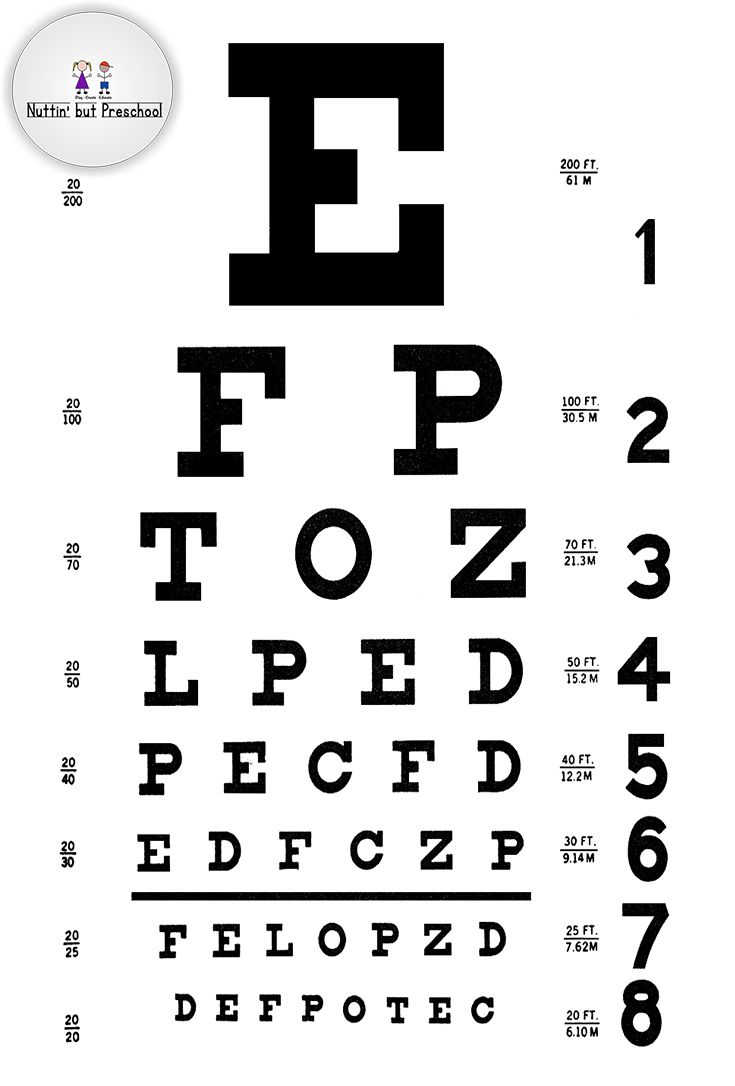
Snellen chart is used to assess distance vision.
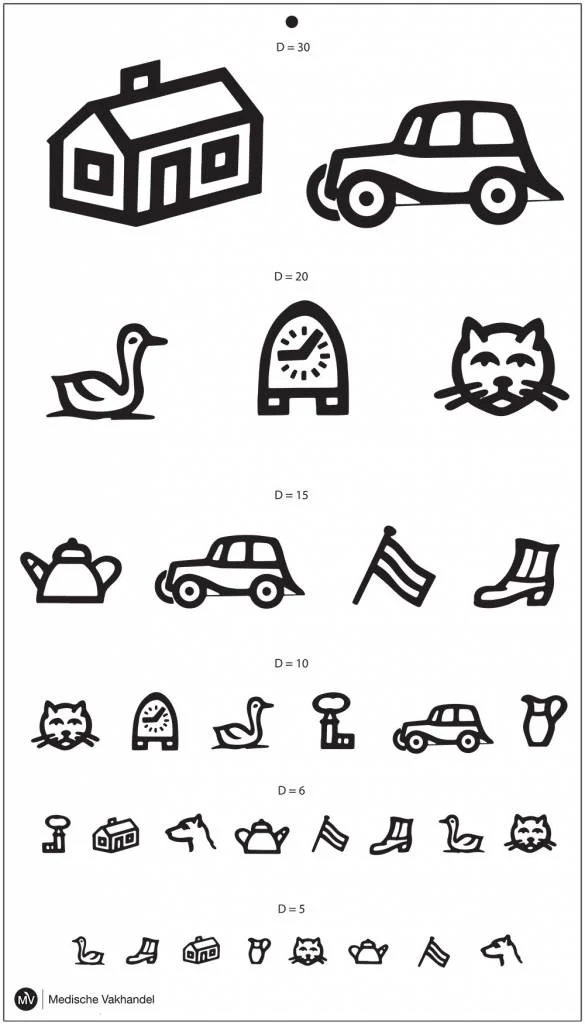
From 3 to 5 years:
The “Tumbling E” eye chart helps evaluate vision in younger children who are not yet able to read letters.
Cycloplegic Refraction
Cycloplegic refraction may be recommended to obtain a more accurate measurement of your child’s refractive error.
The use of cycloplegic eye drops allows the eye doctor to:
- Accurately assess refractive errors, which are key factors in conditions such as amblyopia (lazy eye) or squint
- Achieve the clearest possible view of the fundus, depending on the child’s cooperation
This assessment helps guide appropriate treatment and long-term vision care.
Lazy Eye (Amblyopia)
Amblyopia, commonly known as “lazy eye,” refers to reduced vision in one or both eyes without any visible structural damage.
Your eye doctor will assess for amblyopia during your child’s examination. In some cases, amblyopia may not be fully corrected with glasses or contact lenses alone and may require additional treatments such as eye patching to strengthen the weaker eye.
Early detection is crucial to achieving better visual outcomes.
Misalignment of Eyes (Strabismus)
Strabismus refers to crossed or misaligned eyes and may result from issues with eye muscle control.
It is a common cause of amblyopia and should be addressed early in childhood to support normal development of vision and eye coordination. Early intervention helps improve eye teaming skills and long-term visual function.
Eye Health Assessment
A thorough eye health assessment is conducted to examine the overall condition of your child’s eyes.
The eye doctor will check:
- Eyelids and eyelashes for abnormalities or infection
- Signs of discharge, swelling, or inflammation
- The cornea and lens for cloudiness or irregularities
This examination helps ensure your child’s eyes are healthy beyond just vision clarity.
Myopia Control (Low-Dose Atropine)
Low-dose atropine eye drops may be recommended to help slow the progression of myopia in children.
Atropine temporarily relaxes the eye’s focusing mechanism and dilates the pupils. Before starting atropine treatment, a comprehensive paediatric eye examination is required to determine suitability and ensure safe use.
Our ophthalmologists will guide parents through the assessment and monitoring process for myopia control.
Kid's Examination