Glaucoma
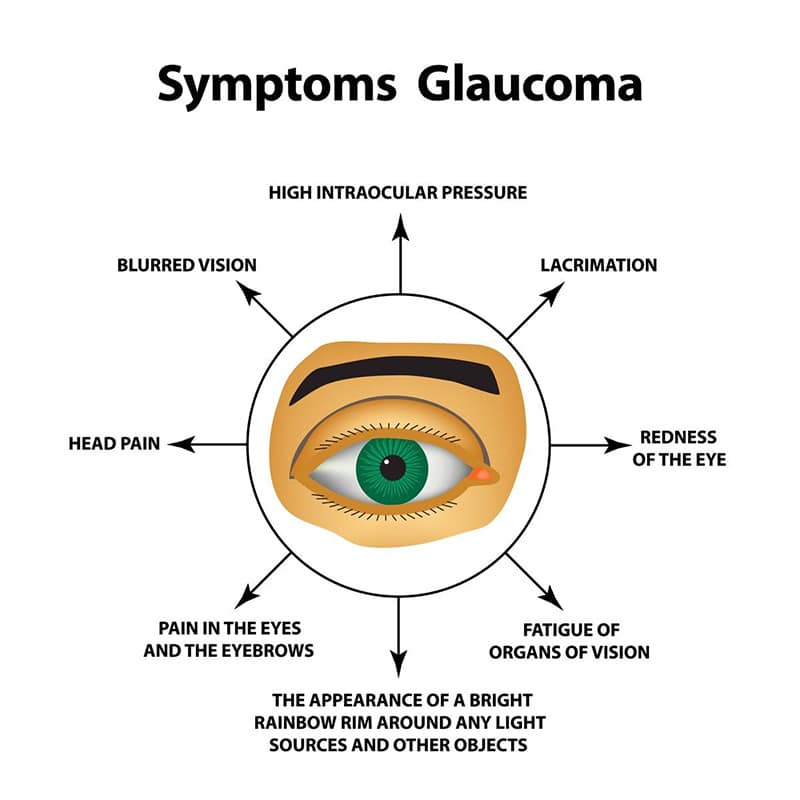
Glaucoma is a group of eye conditions that cause damage to the optic nerve, which is responsible for transmitting visual information from the eye to the brain.
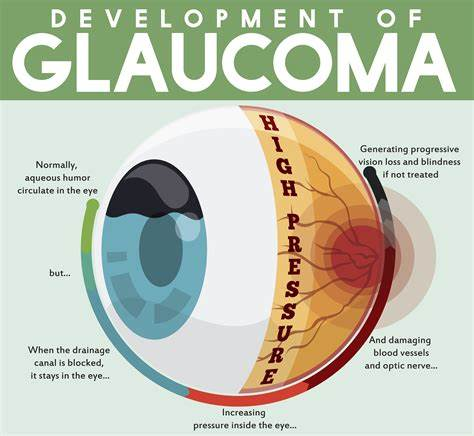
This damage is often associated with increased eye pressure, although glaucoma can also occur even when eye pressure is within the normal range. Because the optic nerve plays a vital role in vision, early detection and management are essential to preserving sight.
Why Is Glaucoma a Concern?
Silent Progression of Glaucoma
Many forms of glaucoma develop slowly and without obvious symptoms.
As a result, changes in vision may go unnoticed until the condition has reached a more advanced stage.
Because vision loss from glaucoma is often irreversible, regular eye examinations are crucial for early detection and timely intervention.
Who Is at Risk?
Glaucoma can occur at any age but is more commonly diagnosed in adults over the age of 60.
Certain individuals may be at a higher risk, highlighting the importance of routine eye screening.
Early identification allows measures to be taken to slow or prevent further vision loss.
Importance of Regular Eye Examinations
Regular comprehensive eye examinations include measurement of eye pressure and evaluation of the optic nerve.
If glaucoma is detected early, appropriate treatment and monitoring can help slow disease progression and reduce the risk of significant vision loss. Individuals diagnosed with glaucoma typically require long-term follow-up and care.
Glaucoma